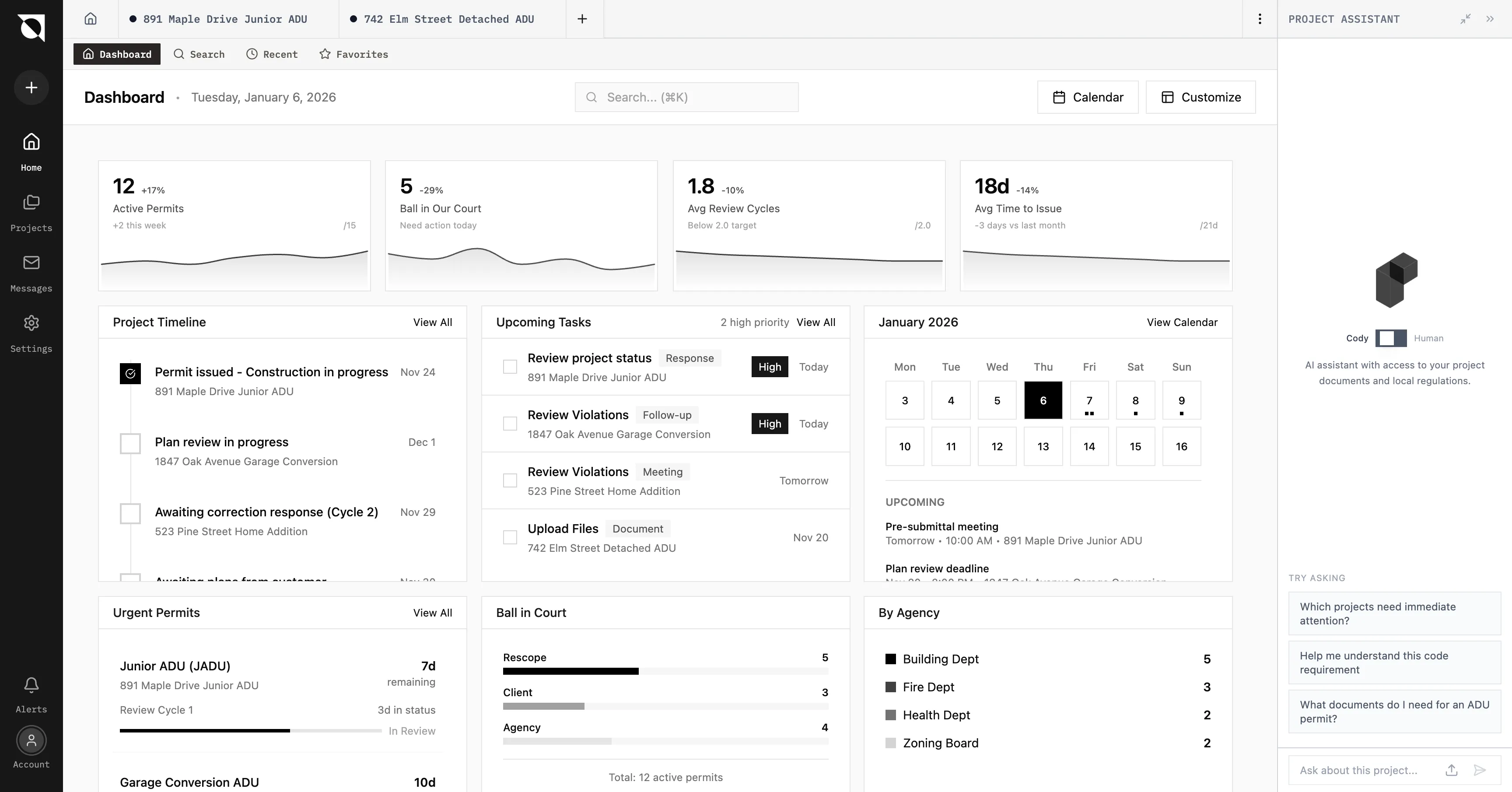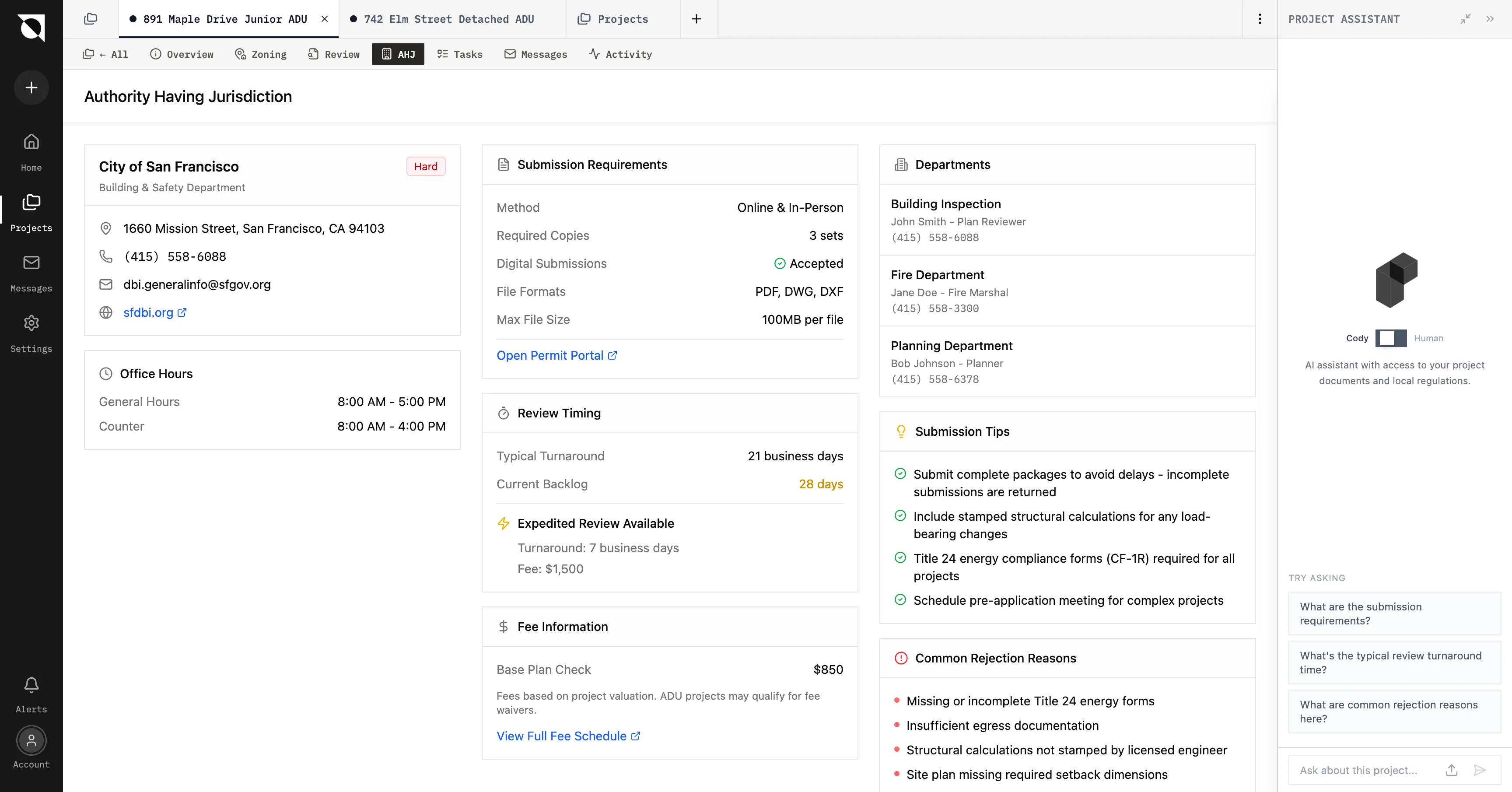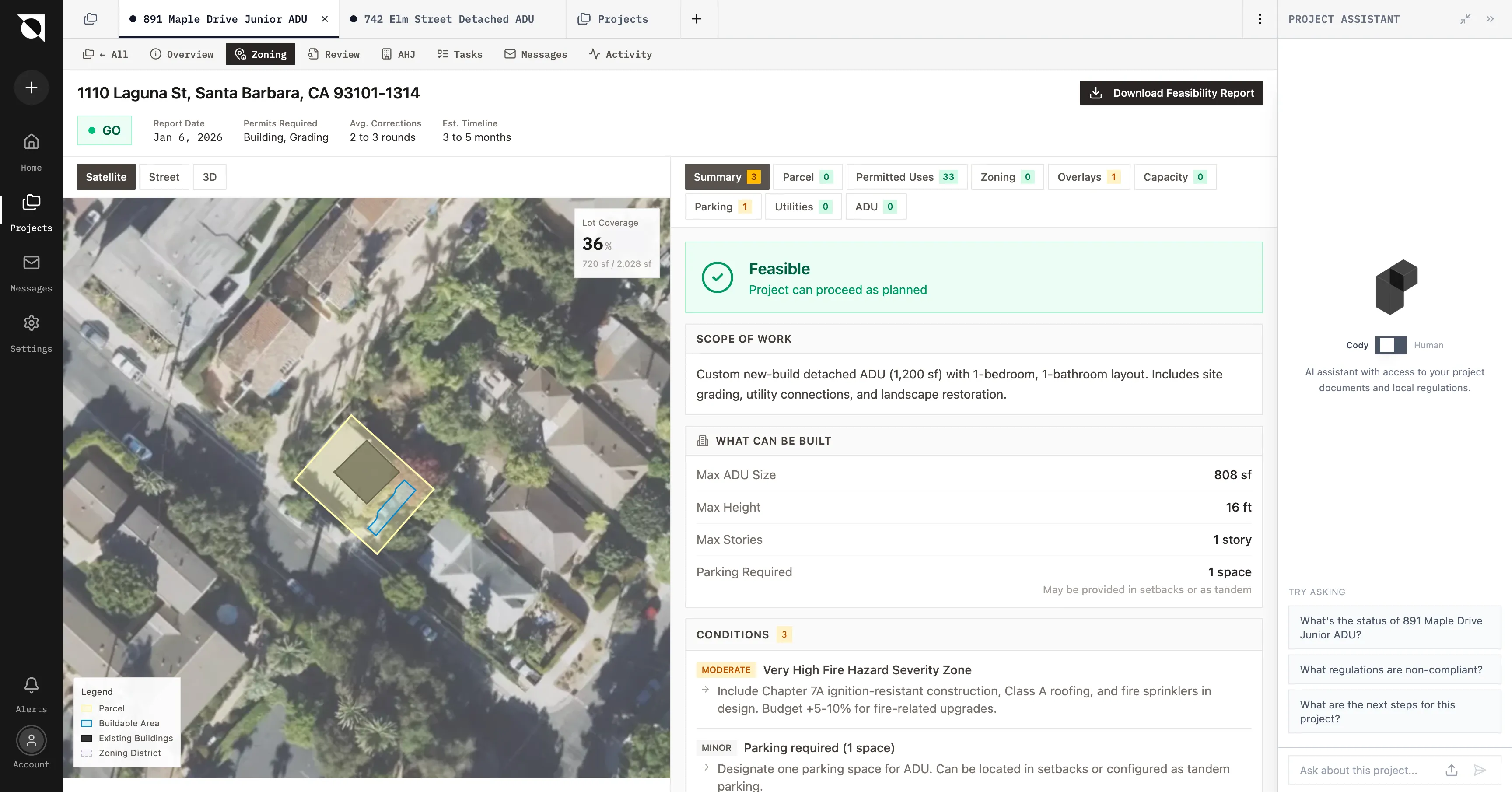
The building permit landscape is undergoing a fundamental transformation. Cities from Seattle to Honolulu are deploying AI-powered tools that are slashing approval times and changing how developers, architects, and contractors approach the permitting process.
The Problem AI is Solving
Roughly 80% of residential permit applications contain significant zoning deficiencies, requiring an average of 1.6 resubmissions and increasing approval times. For commercial projects, the statistics are even more stark, 80% of commercial construction projects face delays because of permit issues, leading to increased costs and reduced returns.
These delays aren't just inconvenient. They're expensive. Recent analysis shows permitting delays pushed project costs up by 11-15% on average, with construction equipment costs increasing by roughly 24% and concrete costs jumping at least 28% since 2021 while projects wait for approval.
Cities Leading the Change
Honolulu has become a case study in what's possible. The city deployed an AI prescreening bot that cut permit wait times from six months to just 2-3 days to reach a reviewer. That's not a typo, a 60x improvement in processing speed.
Hamilton, Ontario partnered with the Bloomberg Center for Cities to implement AI that scans first-stage building permit applications for compliance with city rules, building codes, and zoning requirements. The result: a 60% decrease in permit processing times.
Seattle is piloting AI tools under Mayor Bruce Harrell's executive order, with the Permitting and Customer Trust (PACT) Team using AI to pre-screen applications, flag common errors, and clarify complex regulations. Full rollout is expected by late 2026.
Los Angeles introduced an AI-powered "e-check" tool in April 2025 to expedite building permits, particularly critical for wildfire recovery efforts.
How AI Permitting Tools Work
Modern AI permitting systems like Rescope work by analyzing zoning and building code data to catch compliance issues before you submit. The key capabilities include:
- **Automated Zoning Analysis**: Instantly verify allowed uses, setbacks, height limits, and FAR calculations against current municipal codes
- **Plan Compliance Checking**: Computer vision analyzes submitted plans against building codes to flag issues
- **Pre-Submission Validation**: Identify and fix problems before they cause rejections and resubmission cycles
- **Real-Time Updates**: Stay current with code changes that might affect your project
The transparency of these systems is a key benefit, applicants can understand exactly why something was flagged, leading to quicker revisions and fewer back-and-forth cycles with plan checkers.
What This Means for Your Projects
For developers and design professionals, the message is clear: AI-powered pre-submission tools are no longer optional if you want to stay competitive. The ability to validate compliance before submitting can:
- Reduce resubmission cycles by 50% or more
- Cut time-to-approval from months to weeks
- Lower carrying costs during the approval phase
- Provide certainty earlier in the project timeline
While AI won't replace the permitting officers responsible for final approvals, it fundamentally changes the preparation phase. Projects that arrive at the permit counter already validated face fewer surprises and faster processing.
The Path Forward
Cities are recognizing that faster permitting requires more than just automation, it demands a fundamental shift in how they manage the process. AI is a critical tool in that transformation, but it works best when combined with process improvements and clear communication between applicants and reviewers.
For the construction industry, now is the time to integrate these tools into your workflow. The competitive advantage goes to those who can navigate permits faster and with more certainty.